GENRE: Action, Adventure, Indie
PLATFORM: PS4, PS5, Xbox One, Xbox Series X|S, Switch, PC
DEVELOPER: Wishfully
PUBLISHER: Thunderful Publishing
RELEASE DATE: March 2026
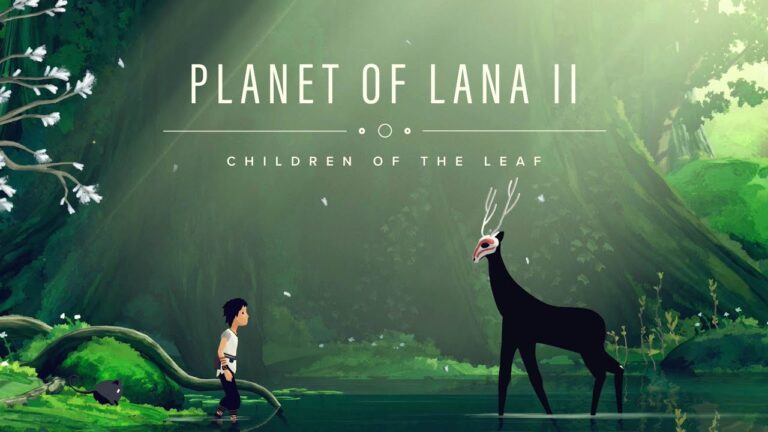
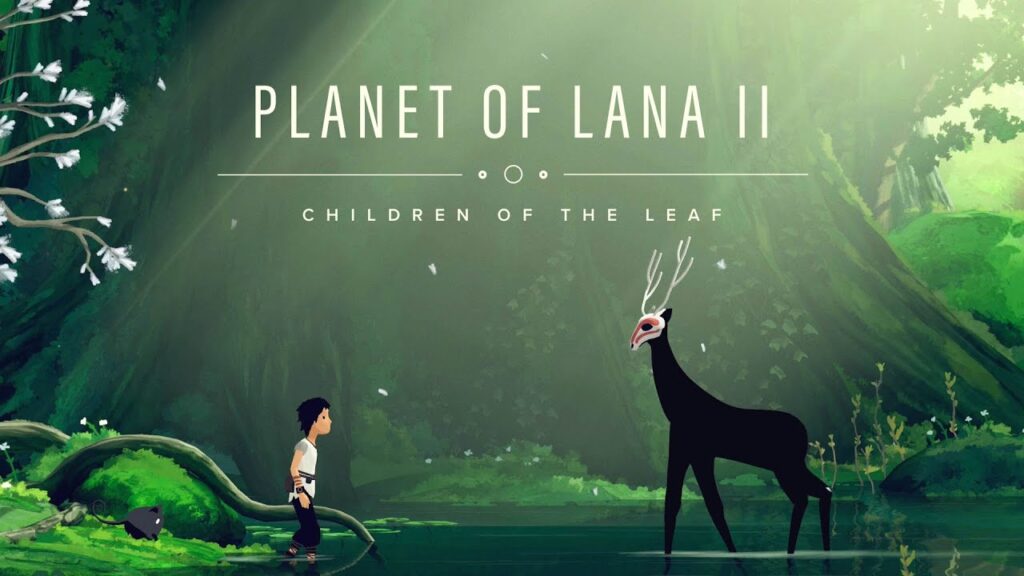
About Planet of Lana II: Children of the Leaf
Planet of Lana II: Children of the Leaf is a cinematic puzzle-adventure sequel that continues Lana and Mui’s journey through a beautifully hand-painted sci-fi world. The sequel expands the original formula with larger environments, more traversal and puzzle mechanics, and a stronger focus on the bond between Lana and her loyal companion, Mui.
Story overview
After saving their planet from the invading robot army, Lana and Mui set out to uncover more of their world’s hidden past. As new technology spreads across their home planet and different tribes respond to it in different ways, progress begins to create greed, imbalance, and rising tension. Their journey pulls them into ancient mysteries and long-buried truths about the planet—and about themselves.
Gameplay Mechanics (Planet of Lana II: Children of the Leaf)
Planet of Lana II: Children of the Leaf is a cinematic 2.5D puzzle-platformer built around quiet exploration, environmental puzzles, and a constant “you and your companion vs. the world” vibe. You play as Lana, working closely with Mui to sneak past threats, manipulate the environment, and solve physics-based challenges as the story unfolds.
Companion-Driven Puzzle Solving (Lana + Mui)
The core mechanic is teamwork. You can guide Mui with more precision for collaborative solutions—sending them into tight spaces, triggering mechanisms, and helping with traversal while Lana handles the bigger interactions. The game’s puzzles are designed to feel like “two characters, one brain.”
Environmental Puzzles and Physics Interactions
Puzzles lean on object manipulation, timing, and physics—moving items, redirecting paths, and using the world itself as a tool. The sequel expands variety with new puzzle types (including interacting with creatures and using systems in more complex ways).
New Tools: Creatures and Hybrid Machines
Compared to the first game, this sequel adds mechanics like hypnotizing certain creatures and controlling new hybrid robots to open routes or solve multi-step scenarios—basically turning parts of the world into temporary “tools” for progression.
Stealth and “Don’t Touch the Dangerous Things”
Stealth is a bigger pillar here: you’ll often avoid direct confrontation by hiding, timing movement, and using distractions while Mui supports your escape routes or puzzle actions. It’s more “clever survival” than combat-forward action.
Cinematic Platforming and Flow
Traversal focuses on smooth platforming, climbing, jumping, and navigating setpiece moments that blend into the story beats. The game aims for that “playable animated film” pacing where puzzles and movement keep you moving forward without feeling like separate modes.